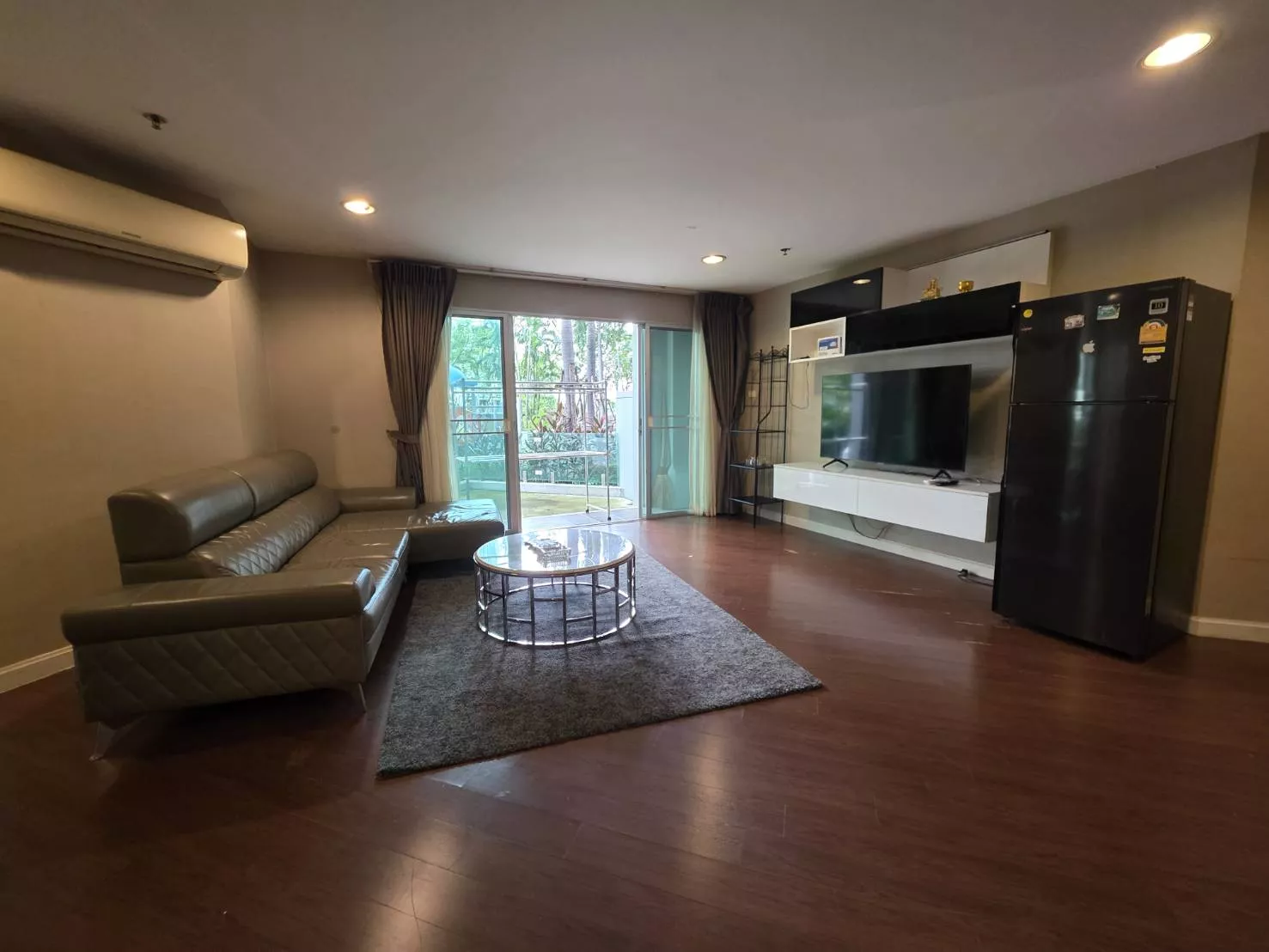
Major Renovation: Impact on Mutual Funds and Real Estate Trusts
Real estate is a primary asset that mutual funds and real estate trusts invest in for rental income. Unlike other investment assets, real estate is a tangible asset (physical asset) that experiences depreciation over time due to usage. As properties age, there arises a necessity for major renovations to maintain them in good condition. However, renovations come with both advantages and disadvantages, as outlined below.
Advantages
- Major renovations help keep properties in suitable condition and competitive in the market.
- Post-renovation, rental profits tend to increase, leading to higher potential dividend payouts from the fund.
- Improved long-term profitability after renovations can enhance the assessed value of the property using the Income Approach, reflecting its income-generating potential and resulting in a more appropriate Net Asset Value (NAV).
Disadvantages
- Major renovations require a higher budget than regular repairs, leading to increased costs during the renovation period. Typically, funding may come from the fund's working capital or loans.
- Renovations may necessitate closing areas, resulting in lost income during the renovation period. Fund managers can mitigate income loss by managing the renovation plan, such as phasing renovations, scheduling during low seasons for hotels or retail spaces, or timing renovations during periods like COVID-19 when income generation is not possible.
- During the renovation phase and shortly after completion, rental income levels may not reach pre-renovation highs, potentially leading to reduced dividend payouts from the fund.
The cycle of major renovations varies based on the maintenance practices of the property manager and the type of property. Hotel and retail properties tend to require more frequent renovations than other types to remain in good condition and attract high traffic from users. Many real estate funds are currently undergoing renovations, such as:
-
CTARAF: Closed for renovation and rebranding from Centara Grand Beach Resort Samui Hotel to Centara Reserve Samui.
-
QHOP: Closed for renovation of Boulevard Hotel Bangkok, which has been in operation for over 30 years (formerly Amari Boulevard Hotel).
-
CPNREIT: Closed for renovation of Central Pinklao and Hilton Pattaya.
-
QHHR: Closed for renovation of Centre Point Sukhumvit 10 and Pratunam.
-
Ally: Renovation of common areas at The Crystal SB Ratchaphruek, The Prime Hua Lamphong, and Crystal Design Center, among others.
-
FUTUREPF: Closed for renovation of some retail areas at Future Park Rangsit.
-
LPF: Closed for renovation of Lotus Extra Phuket, Mahachai Lotus, and Srinakarin Lotus, among others.
Examples of Major Renovations
Quality House Hotel and Residence Real Estate Investment Trust (QHHR)
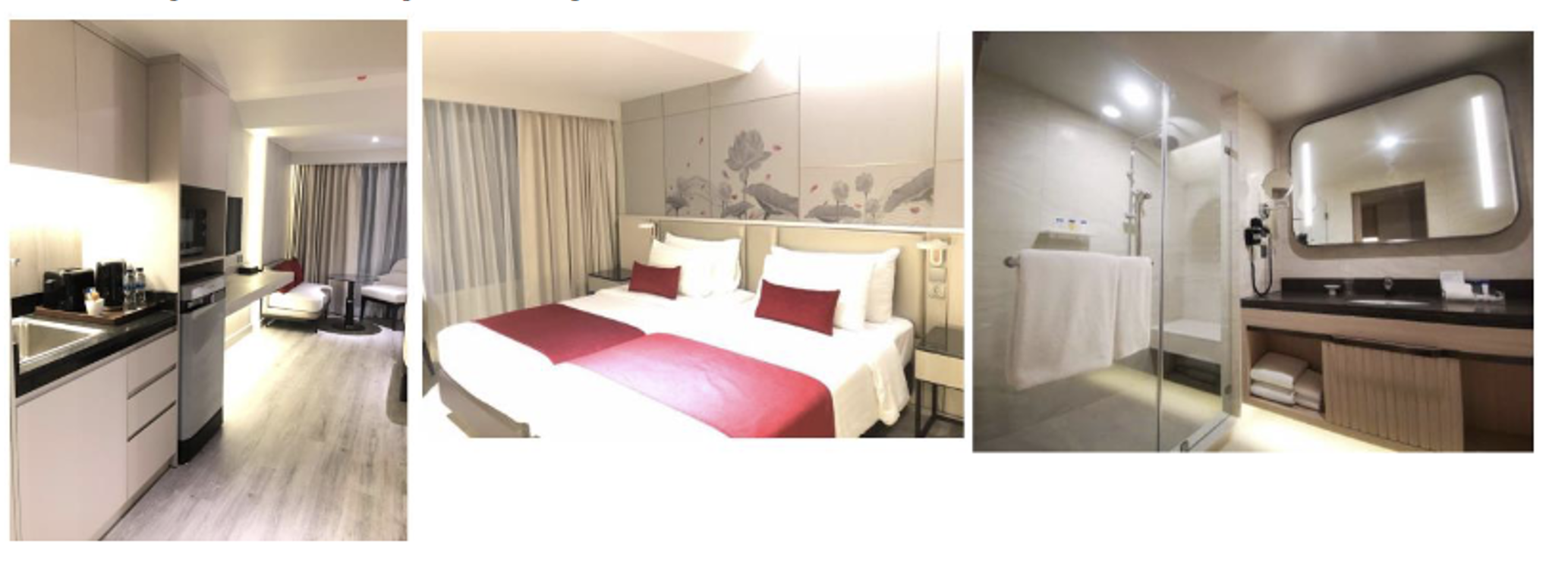
Project: Centre Point Sukhumvit 10
- Renovation of guest rooms
- Renovation of common areas (Lobby / Restaurant)
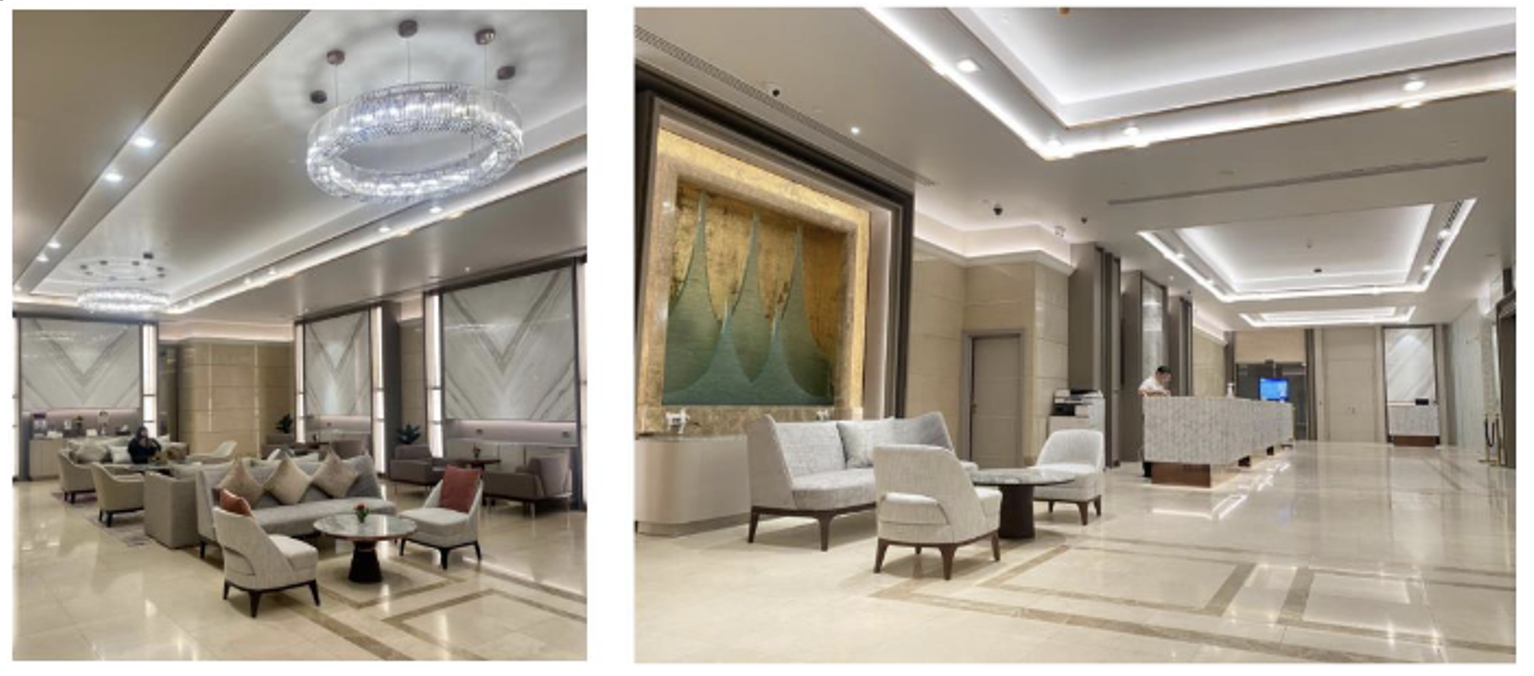

Source: Annual Report 2022 of QHHR.
In cases where a real estate fund has multiple investment properties and does not conduct simultaneous renovations, it helps to minimize the impact on profits and dividend payouts since other projects can still generate income normally.